 Your events at Classical Events


Details
St George's Bristol
Great George Street
Bristol
BS1 5RR
England
Tickets
Prices: from £12
Book Tickets
Programme
Franz Liszt – Bénédiction de Dieu dans la solitude, S.173
Franz Schubert – Three Piano Pieces, D.946
Frédéric Chopin – Piano Sonata no.3 in B minor, Op.58
Sergei Rachmaninov – Lilacs, Op.21 no.5
Sergei Rachmaninov – Daisies, Op.38 no.3
Sergei Rachmaninov – Liebeslied
Sergei Rachmaninov – Liebesfreud
Performers
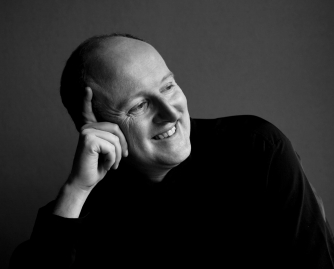
James Lisney – piano
Other concerts in this Series (+)
Programme Note
James Lisney returns to St George's Bristol with a garland of romantic piano music, inspired by poetry, song, and the spirit of dance.
Franz Liszt regarded his Bénédiction (the third piece of his 1853 piano cycle Harmonies poétiques et religieuses) as one of his most significant works, often performing it for house guests. It is a profound meditation on the eponymous poem by Alphonse de Lamartine, interpreting French Romantic sentiments through the most sumptuous piano writing.
Franz Schubert’s Drei Klavierstücke, composed in 1827/28, gained their Germanic title from Johannes Brahms, who edited the pieces for their first publication in 1868. The first two pieces allude to Schubert’s own lied and to the opera Fierabras, and some commentators see a quotation from Handel’s Messiah - a score that Schubert was studying in 1828. The outer sections of the final Allegro, however, are shot through with bohemian dance rhythms and virtuosic piano writing.
Fryderyk Chopin was intensely interested in the bel canto style of Italian opera and particularly admired the long melodic lines of composers such as Vincenzo Bellini. The sonata offers a rich blend of melodies and pianistic brilliance, yet it is tightly wrought beneath the surface - one of the most satisfying of nineteenth-century piano sonatas.
Finally, Rachmaninoff produced affectionate transcriptions of works by Bach, Mendelssohn, Tchaikovsky, and others. James Lisney presents two celebrated songs originally written for soprano, along with two waltzes that the celebrated violinist Fritz Kreisler passed off as “Old Viennese Dances” before confessing they were his own. Rachmaninoff’s virtuosic and humorous transcriptions are a splendid tribute from one emigré musician to another